Geography Impacts the Color of Wood Planks
How does geography significantly impact the color of wood planks?
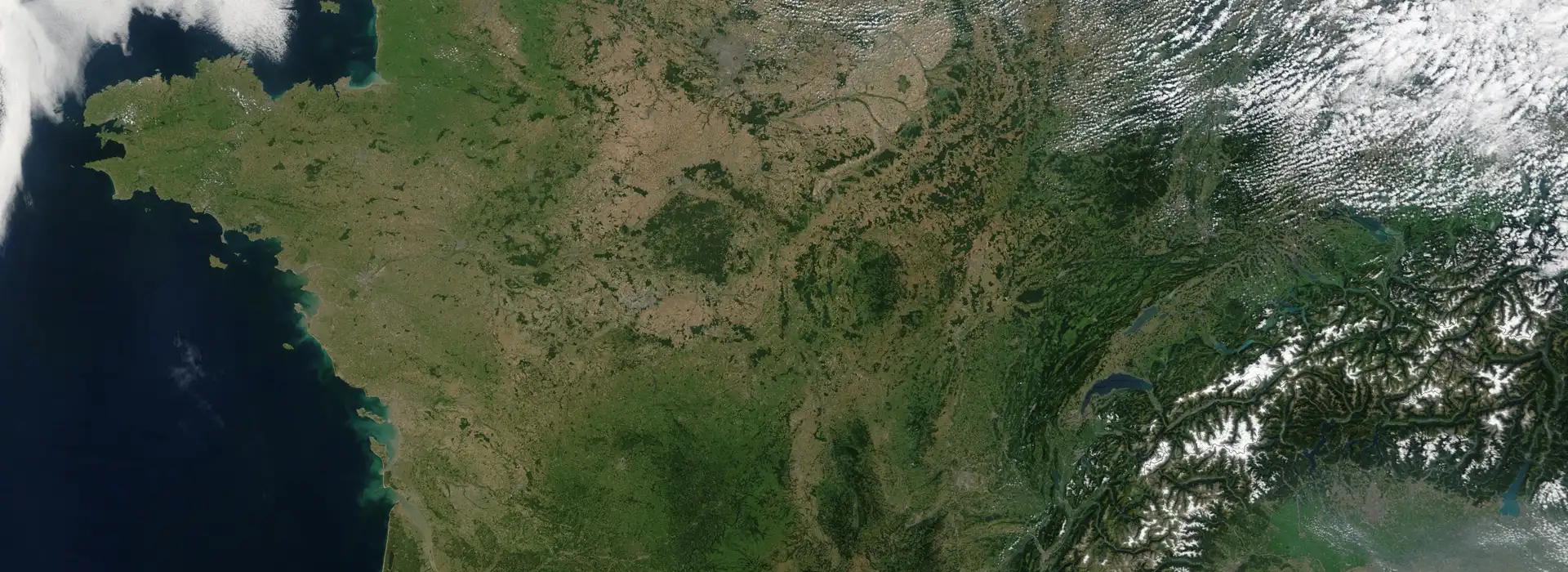
Satellite image of France in August 2002
Geography significantly impacts the color variation of wood boards and planks, even within the same species, through several factors, including climate, soil composition, altitude, and environmental conditions.
GEOGRAPHY IMPACTS THE COLOR OF WOOD PLANKS
Let’s look at how geography influence wood color:
1. Climate:
- Temperature and Humidity: Tree growth rates are influenced by various climates. In cooler climates, trees grow at a slower pace, resulting in denser and darker wood. In contrast, trees tend to grow faster in warmer, more humid climates, leading to lighter and less dense wood.
- Seasonal Variations: In regions with noticeable seasonal changes, the growth rings of wood can display considerable variations. These rings can exhibit diverse colors and appearances based on the distinct seasonal patterns of different areas.
2. Soil Composition:
- Mineral Content: The minerals and nutrients available in the soil can affect the color of the wood. For instance, high iron content in the soil might result in darker wood tones. At the same time, other minerals can contribute to different hues.
- Soil pH: The soil’s acidity or alkalinity can influence the wood’s chemical composition, potentially altering its color.
3. Altitude:
- Growth Rate: Trees growing at higher altitudes often endure challenging circumstances and develop at a slower pace, resulting in denser, darker wood. Conversely, trees at lower altitudes tend to grow more rapidly and yield lighter wood.
- Exposure to Elements: High-altitude trees are more exposed to wind and sun, which can affect the tree’s growth patterns and wood color.
4. Environmental Conditions:
- Sunlight Exposure: The amount of sunlight a tree receives influences its growth and wood color. Trees in shaded areas might produce different wood colors than those in open, sunny areas.
- Water Availability: The appearance of wood can vary significantly depending on water availability in different regions. In arid areas, trees may produce wood with unique characteristics not found in wetter regions.
5. Biological Factors:
- Fungal and Insect Activity: Fungi, insects, and other organisms can cause wood discoloration or staining. These biological factors are often region-specific and can lead to significant color variations.
- Genetic Variations: While the species might be the same, regional genetic differences can cause variations in wood color. Trees adapted to specific local conditions might develop unique wood characteristics.
Examples:
- Maple:: Sugar maples in colder regions like Canada tend to have a lighter, more consistent color than those grown in warmer provinces, which might exhibit more variation and darker tones.
- Oak:: European oak often has a different color and grain pattern than American oak, influenced by the distinct climates and soils of the two regions.
The Conclusion of the Importance of Understanding Geography’s Impact on the Color of Wood Planks
Understanding the significant role of geographical variations in wood color is crucial for selecting wood with desired aesthetic and structural properties. The interplay between climate, soil, altitude, environmental exposure, and biological factors leads to the unique characteristics observed in wood sourced from different regions. This knowledge ensures that lumber and wood flooring manufacturers can make informed choices in various applications.

Natural Color Variation Example
Share this article
Follow us
A quick overview of the topics covered in this article.
Latest articles

April 27, 2026

April 27, 2026

April 27, 2026